

Let’s be honest for a second.
If you’ve ever gone hiking deep in the woods and heard something crack behind you, your brain probably whispered one thing: Bigfoot.
Call it Bigfoot. Call it Sasquatch. Call it a legend.
But the fascination? It’s very real.
And here’s the big question people keep typing into Google (and asking around campfires):
Where can you actually spot Bigfoot in the wild?
Let’s break it down — clearly, simply, and with real places you can explore if you’re chasing wild adventures of your own.
What Is Bigfoot and Why Are People Still Searching?
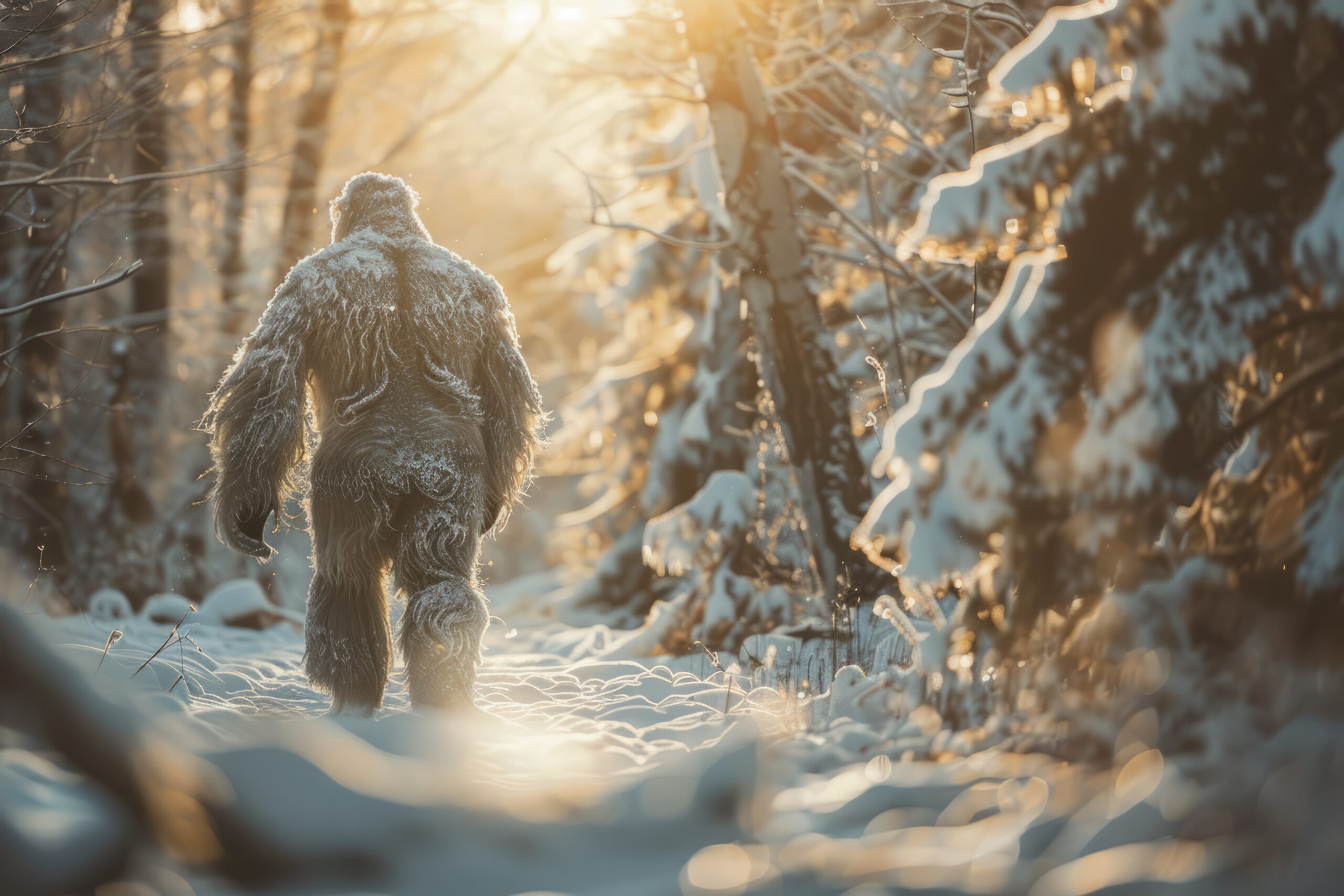
Bigfoot is described as a large, upright, ape-like creature roaming remote forests of North America. Witnesses say it’s 7 to 10 feet tall, covered in dark hair, and leaves enormous footprints — hence the name “big foot.”
Sounds like folklore, right?
Maybe. But thousands of sightings over decades keep the legend alive.
Big Foot vs. Sasquatch – Are They the Same?
Yes.
“Sasquatch” comes from Indigenous Canadian languages, while “Bigfoot” became popular in the United States. Same creature. Different nickname.
Think of it like soda vs. pop — depends on where you’re standing.
Why the Legend Refuses to Fade
Here’s the thing: we love mystery.
In a world mapped by satellites and tracked by smartphones, the idea that something large and unknown could still roam wild forests? That sparks imagination.
It turns ordinary hiking trips into wild adventures filled with possibility.
Quick Answer – Top Places to Spot Bigfoot
If you’re looking for the short version, here it is:
Bigfoot sightings cluster heavily in:
- The Pacific Northwest (USA)
- Western Canada
- The Rocky Mountains
- The Appalachian Mountains
- The Florida Everglades
Now let’s zoom in.
The Pacific Northwest – The Ultimate Bigfoot Hotspot
If Bigfoot has a headquarters, it’s here.
Thick forests. Misty mountains. Endless tree cover.
Washington’s Most Active Areas
Washington consistently ranks among the top states for sightings.
Mount Rainier National Park
Mount Rainier National Park offers dense forest and rugged terrain — perfect hiding spots. Campers have reported strange howls and oversized footprints along remote trails.
Olympic National Park
Olympic National Park feels prehistoric. Moss-covered trees, heavy rainfall, low visibility. If you were designing a Bigfoot habitat, this would be it.
Oregon’s Deep Forests
Near Mount Hood, sightings have been reported for decades. Oregon’s vast woodlands create miles of cover — and very few witnesses.
Northern California’s Redwood Empire
The towering giants inside Redwood National and State Parks create an atmosphere straight out of a legend. In fact, the famous 1958 footprint discovery that popularized “Bigfoot” happened in Northern California.
Coincidence? Maybe.
But it definitely fueled the myth.
Canada’s Sasquatch Country
If you want a bigger wilderness, go north.
British Columbia Wilderness
British Columbia is Sasquatch central. Massive forests stretch for hundreds of miles. Sparse population. Deep valleys.
If something large wanted to stay hidden, this is prime real estate.
Alberta’s Remote Parks
Alberta also reports encounters, particularly in remote mountain regions where human traffic is low.
Bigfoot in the Rocky Mountains
The Rockies are nature’s fortress — steep, rugged, and expansive.
Colorado Backcountry
Colorado offers high-altitude forests and isolated trails where hikers occasionally report unexplained sightings.
Montana and Idaho Encounters
Montana and Idaho contain vast stretches of wilderness. Fewer people mean fewer witnesses — and more mystery.
The Appalachian Mystery
Older than the Rockies and thick with folklore.
Great Smoky Mountains National Park
Great Smoky Mountains National Park sees millions of visitors each year — and still, strange reports surface.
Pennsylvania Forest Sightings
Even Pennsylvania has its own Bigfoot encounters, especially in heavily wooded state parks.
The Southern Twist – The Skunk Ape
Yes, Bigfoot has a swamp cousin.
Everglades National Park
Everglades National Park is home to the so-called Skunk Ape — described as similar to Bigfoot but with a strong odor.
Swampy terrain + low visibility = perfect legend territory.
Texas and Oklahoma Reports
Texas and Oklahoma also rank high for sightings, especially in wooded rural regions.
Why These Places Make Perfect Bigfoot Habitat
Let’s think logically for a second.
If big foot were real, what would it need?
Food and Water Sources
Forests provide berries, roots, fish, deer, and fresh water. Survival basics covered.
Isolation and Low Human Traffic
The deeper the wilderness, the easier it is to stay unseen.
Dense Cover and Natural Camouflage
Thick tree lines and mountainous terrain act like natural invisibility cloaks.
When Is the Best Time to Spot Bigfoot?
Seasonal Trends
Summer and early fall produce the most reports. Why? More hikers. More campers. More wild adventures.
Night vs. Day Sightings
Many sightings happen at dusk or night. Shadows stretch. Visibility drops. The forest changes personality.
And suddenly, every sound feels amplified.
Signs You Might Be Near Bigfoot
Curious what believers look for?
Massive Footprints
Footprints measuring 15–24 inches long are commonly reported.
Strange Sounds and Wood Knocks
Deep howls. Repetitive knocking sounds. Unexplained screams.
Tree Structures and Broken Limbs
Some researchers claim twisted trees or snapped branches could mark territory.
Or it could just be wind.
That’s the mystery.
Planning Your Own Wild Adventures
Thinking about going Bigfoot hunting?
Safety First
Bring proper gear. Tell someone your route. Respect wildlife laws.
Remember: bears and mountain lions are proven real.
Respect Nature
Chasing legends shouldn’t damage ecosystems. Leave no trace.
Managing Expectations
Go for the adventure, not just the creature.
Sometimes the best part of searching for Bigfoot isn’t finding it — it’s the stories you bring home.
Is Bigfoot Real? The Ongoing Debate
Scientific Skepticism
There is no confirmed body, no verified DNA, and no universally accepted footage.
Science requires hard proof.
Cultural and Tourism Impact
Whether real or myth, Bigfoot fuels tourism, documentaries, and endless curiosity.
And honestly? That curiosity keeps outdoor exploration exciting.
Conclusion
So, where can you spot Bigfoot in the wild?
Your best chances — based on reports — lie in the forests of the Pacific Northwest, Western Canada, the Rockies, the Appalachian Mountains, and even the Florida Everglades.
But here’s the deeper truth:
Bigfoot lives at the intersection of wilderness and imagination.
And every time you step into a dense forest on one of your wild adventures, that little spark of possibility makes the experience richer.
Real or not… the legend walks with you.
FAQs
1. Which state has the most Bigfoot sightings?
Washington and California consistently report the highest number of sightings.
2. Is there scientific proof that Bigfoot exists?
No verified scientific evidence currently confirms Bigfoot’s existence.
3. What is the difference between Bigfoot and big foot?
There’s no difference. “Bigfoot” is the formal name; “big foot” is simply a variation in spelling.
4. Are Bigfoot sightings dangerous?
There are no confirmed attacks attributed to Bigfoot, but wilderness travel always carries risks from known wildlife.
5. Why are Bigfoot sightings common in forests?
Dense forests provide food, water, cover, and isolation — ideal conditions for any large, hidden creature.