

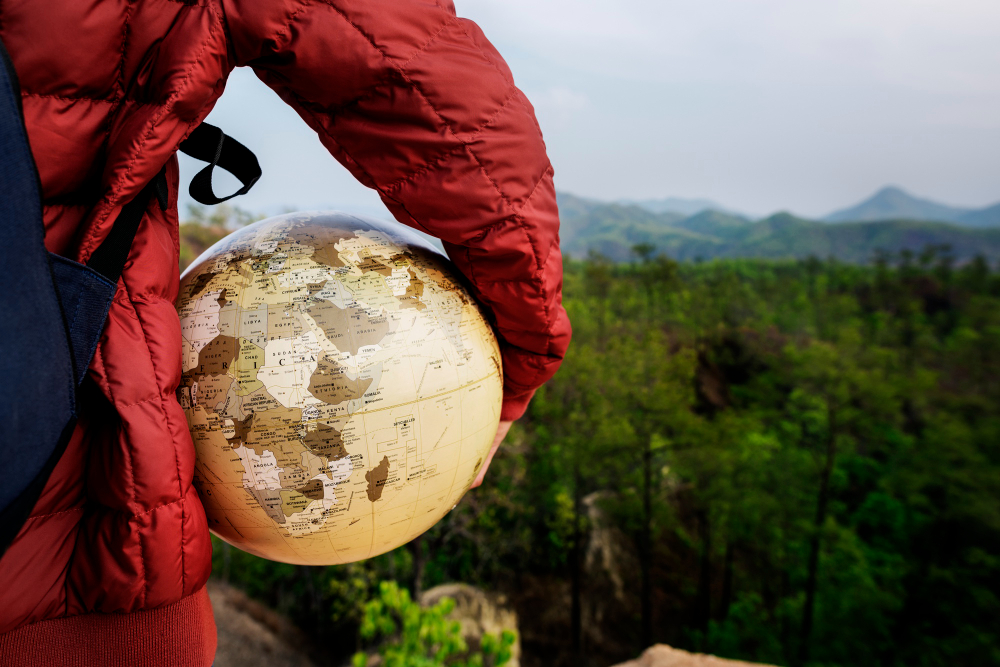
The idea of the most remote places on Earth is fascinating. While many of us live in bustling cities with easy access to shops, hospitals, and entertainment, there are parts of the world that remain so far removed from civilization that the idea of isolation seems impossible. These remote places are typically located in some of the most extreme conditions on the planet. Whether it’s a lonely island in the middle of the ocean, a mountain peak that no one has ever conquered, or a tundra where temperatures can dip to unimaginable lows, these areas have one thing in common: they are far from the everyday world.
But what makes a place remote? It’s more than just distance; it’s about being inaccessible, untouched, and isolated from the usual comforts of modern life. For those drawn to adventure, these places have an undeniable appeal. In this article, we’ll explore the most remote places on Earth, where they are located, and why they fascinate us.
What Defines Remote Places on Earth?
The most remote places on Earth aren’t simply far from civilization; they are also difficult to access, if not impossible. Geographic isolation plays a major role in what makes a place remote. For instance, many of these places are islands, mountains, or regions surrounded by harsh climates that make them hard to reach. The lack of infrastructure also contributes to their remoteness. Imagine being in a place with no roads, no airports, and no communication with the outside world. That’s the essence of a remote area.
But it’s not just about distance or infrastructure; the extreme environment plays a huge role in making places remote. Some areas are so inhospitable that human habitation is almost impossible. Whether it’s cold, intense heat, or arid deserts, the natural world can make a place seem completely off-limits to all but the most prepared.
Why People Are Drawn to the Most Remote Places
Why do we find remote places so intriguing? For many, it’s the adventure and the challenge of reaching a place that few have ever seen. Some travelers want to experience the thrill of discovering hidden corners of the world. For others, it’s the solitude and peace that come from being miles from civilization, where the sounds of nature are the only things to hear.
Remote places are also crucial for scientific research. Many of these locations, due to their untouched nature, offer scientists the opportunity to study ecosystems that have remained largely unaffected by human intervention. These studies can help us better understand biodiversity, climate change, and even human adaptation to extreme environments.
Criteria for Identifying the Most Remote Places on Earth
What exactly makes a place the “most remote”? Several factors come into play, including distance from civilization, the difficulty of access, and the absence of human impact. A place may be remote because it’s far away from the nearest city or town, making it challenging to reach by conventional means. Others may be remote due to geographic barriers such as mountains, oceans, or deserts that naturally block access. The lack of human presence is another important criterion. Some places remain isolated simply because no one has settled there, often because the harsh conditions make life difficult.
In this list, we’ll explore these factors and highlight the places on Earth that embody true remoteness.
The Top 10 Most Remote Places on Earth
1. Point Nemo (Pacific Ocean’s Ocean’s Pole of Inaccessibility)
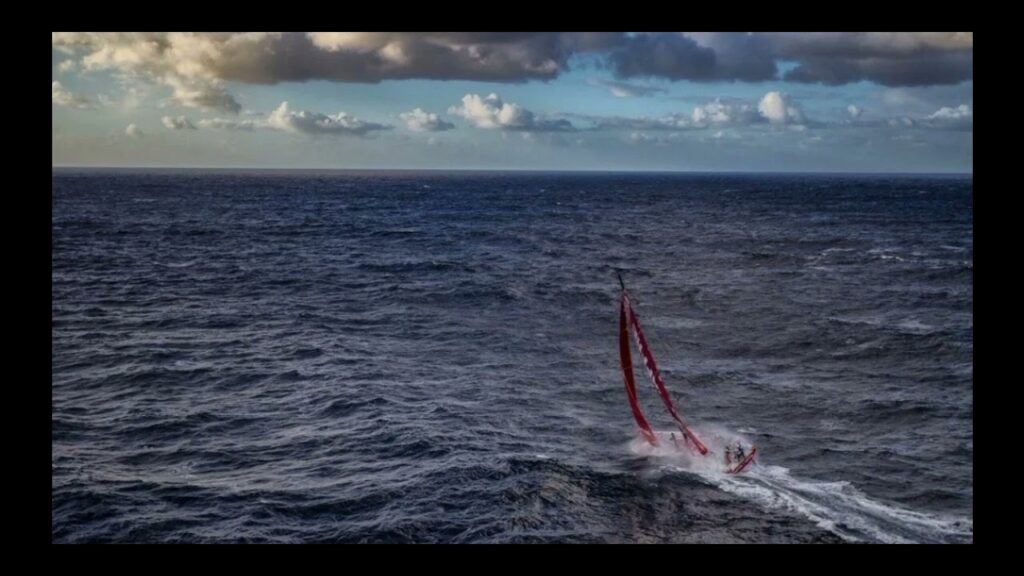
Located in the middle of the Pacific Ocean, Point Nemo is considered the most isolated point on Earth. It is over 2,688 kilometers (1,670 miles) from the nearest land, making it the ultimate remote place. The closest humans to Point Nemo are the astronauts aboard the International Space Station.
Point Nemo’sNemo’s isolation isn’t just due to its distance — the lack of land around it makes this part of the Pacific Ocean incredibly hard to reach. There are no islands, ships, or settlements nearby, making this the most remote place on Earth in terms of oceanic isolation.
2. Tristan da Cunha (South Atlantic Archipelago)
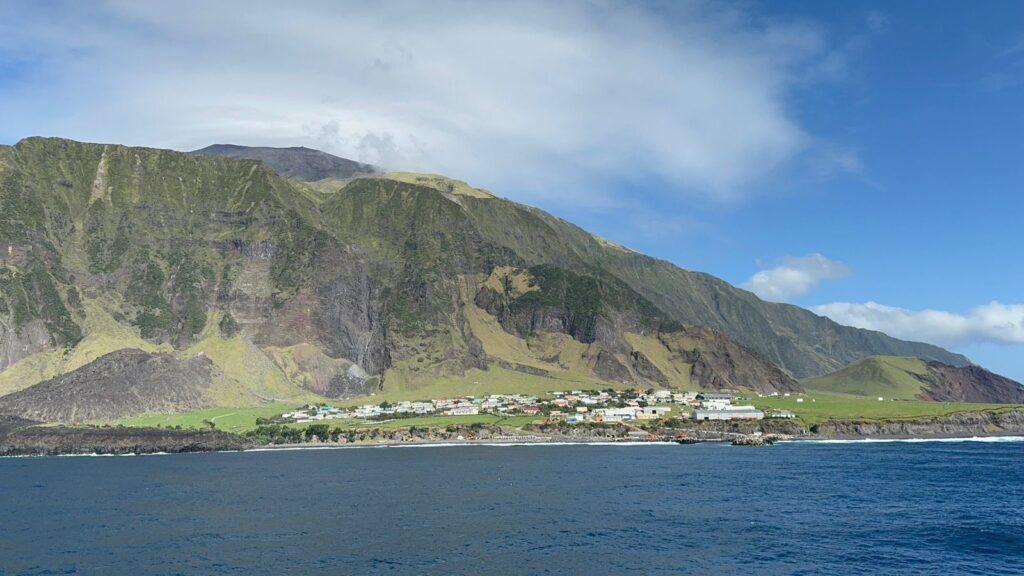
Tristan da Cunha is a volcanic archipelago in the South Atlantic Ocean that’s located 2,400 kilometers (1,500 miles) from the nearest inhabited land. The archipelago’s main island, also named Tristan da Cunha, is home to only around 250 residents, making it the most isolated inhabited place on Earth.
The island’s only connection to the outside world is via a long sea voyage from South Africa, and the residents rely on fishing for their livelihood. The island’s extreme isolation, combined with the small population and minimal infrastructure, makes it one of the most remote places on Earth.
3. Svalbard (Arctic Archipelago, Norway)
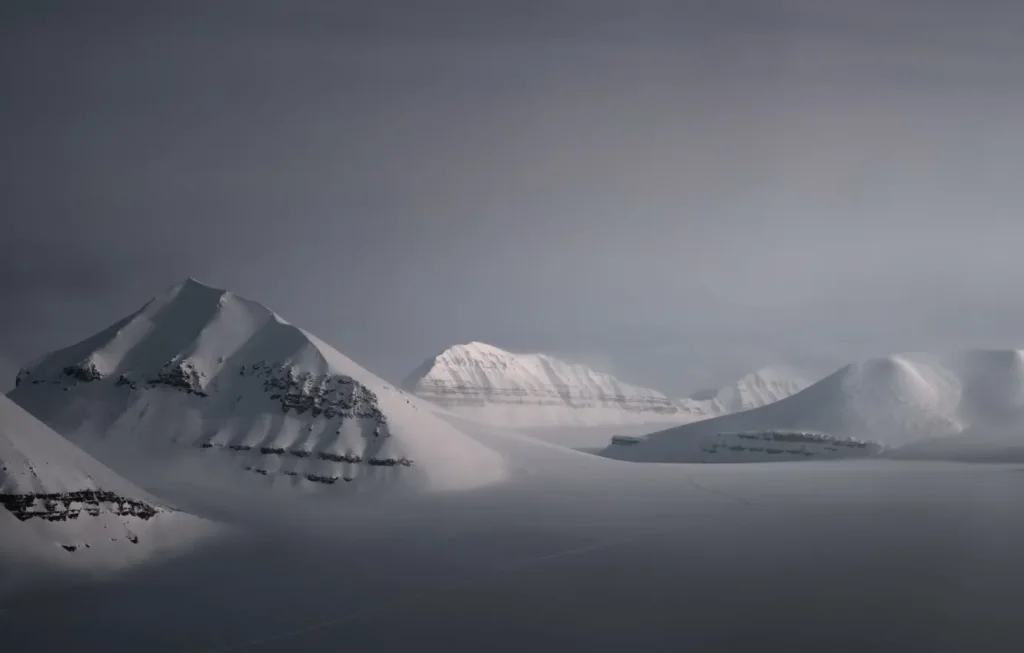
Situated above the Arctic Circle, Svalbard is a remote archipelago part of Norway. The islands are only accessible via air or sea, and the extreme Arctic climate compounds their isolation. The islands are home to a few thousand people, but the majority of the archipelago is sparsely populated, with large areas covered by glaciers, mountains, and polar wilderness.
Svalbard is also important for scientific research due to its unique Arctic ecosystem and extreme remoteness. It’s one of the most remote areas in Europe, and its isolation makes it a haven for wildlife like polar bears and Arctic foxes.
4. Oymyakon (Siberia, Russia)
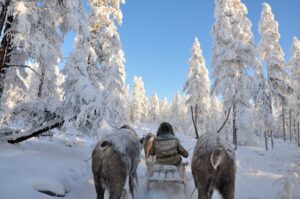
Oymyakon, located in the Sakha Republic of Russia, holds the record for the coldest inhabited place on Earth. Temperatures in Oymyakon have been recorded as low as -67.7°C (-89.9°F), making it a place where only the hardiest people can survive.
Its remoteness comes not just from the extreme cold, but also from its distance from major cities. The village is a long way from Moscow and is not easily accessible by road, making it one of the most remote places on Earth in terms of both geography and living conditions.
5. Kerguelen Islands (Southern Indian Ocean)
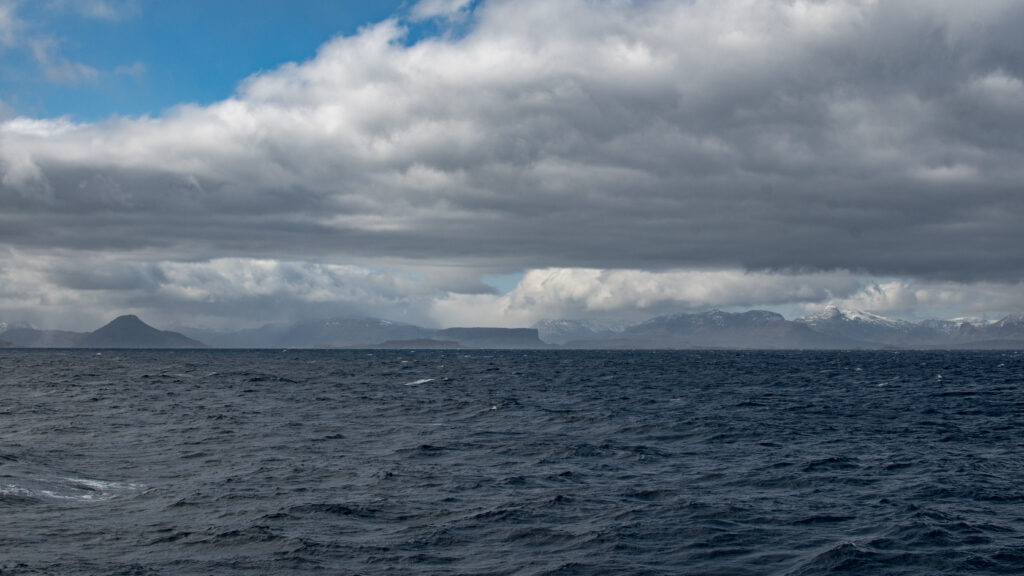
The Kerguelen Islands, located in the Southern Indian Ocean, are one of the most isolated archipelagos on Earth. There are no permanent residents here, only a French scientific research station. The islands are accessible only by a long sea voyage from Mauritius or Réunion.
The Kerguelen Islands are part of the sub-Antarctic region, and their isolation from mainland continents means that life on the islands remains relatively untouched. Despite their remoteness, the islands are important for ecological studies of unique wildlife and marine life.
6. North Sentinel Island (Andaman Sea, Indian Ocean)
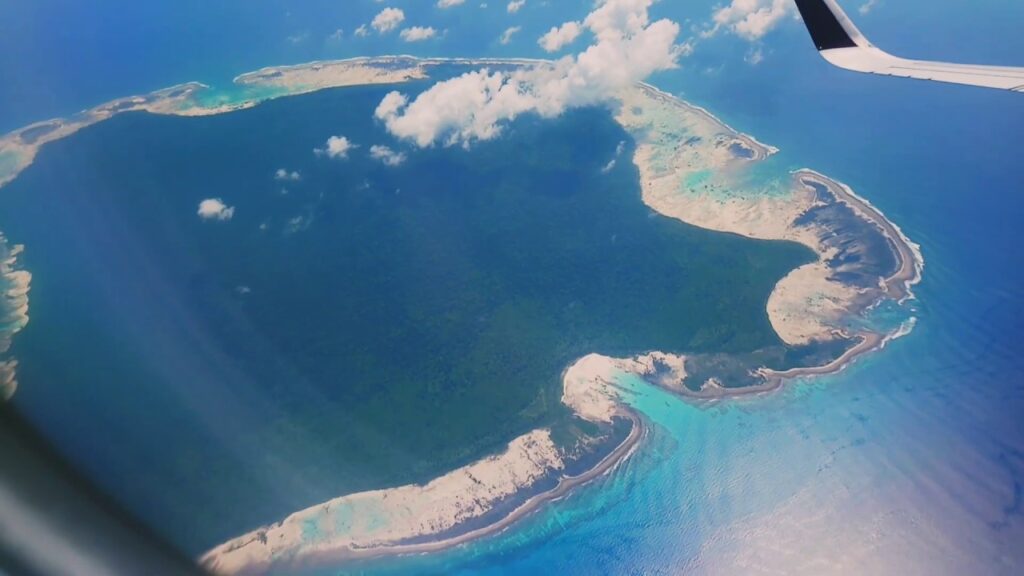
North Sentinel Island, located in the Andaman Sea, is known for being one of the last places on Earth where an indigenous population lives completely isolated from modern society. The Sentinelese people on the island have resisted contact with the outside world, and Indian law prohibits anyone from visiting the island to protect both the tribe and outsiders.
This makes North Sentinel Island one of the most remote places on Earth, both culturally and geographically. It’s a place where the natural world reigns, untouched by modern civilization.
7. Danakil Depression (Ethiopia)
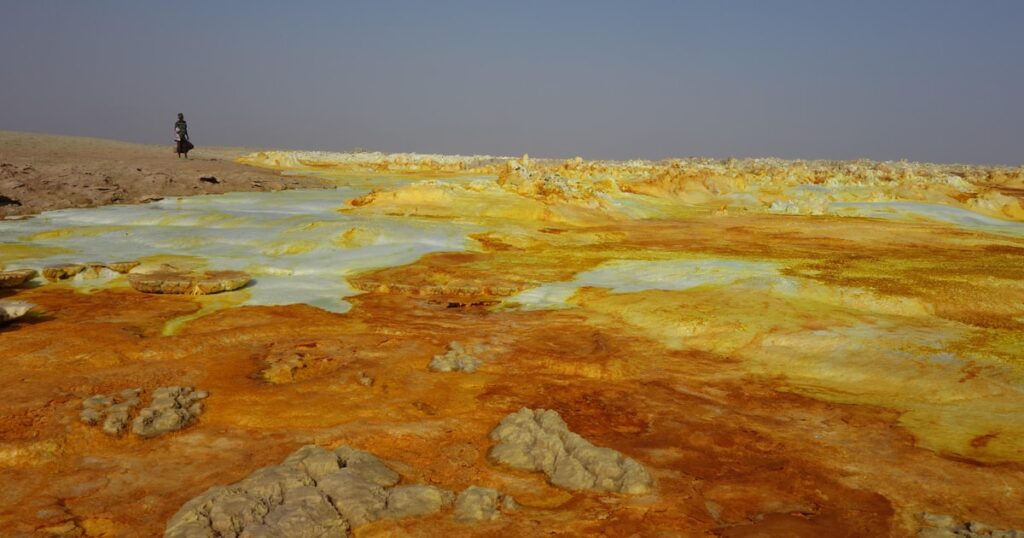
The Danakil Depression is a harsh desert region in Ethiopia known for its extreme heat, volcanic activity, and salt flats. It’s one of the hottest places on Earth, with temperatures regularly reaching over 50°C (122°F).
The region’s extreme climate and barren landscape make it nearly impossible for most human settlements to thrive. While the Danakil Depression is home to some nomadic tribes, it remains one of the most remote areas in Africa.
8. Socotra Island (Yemen / Arabian Sea)
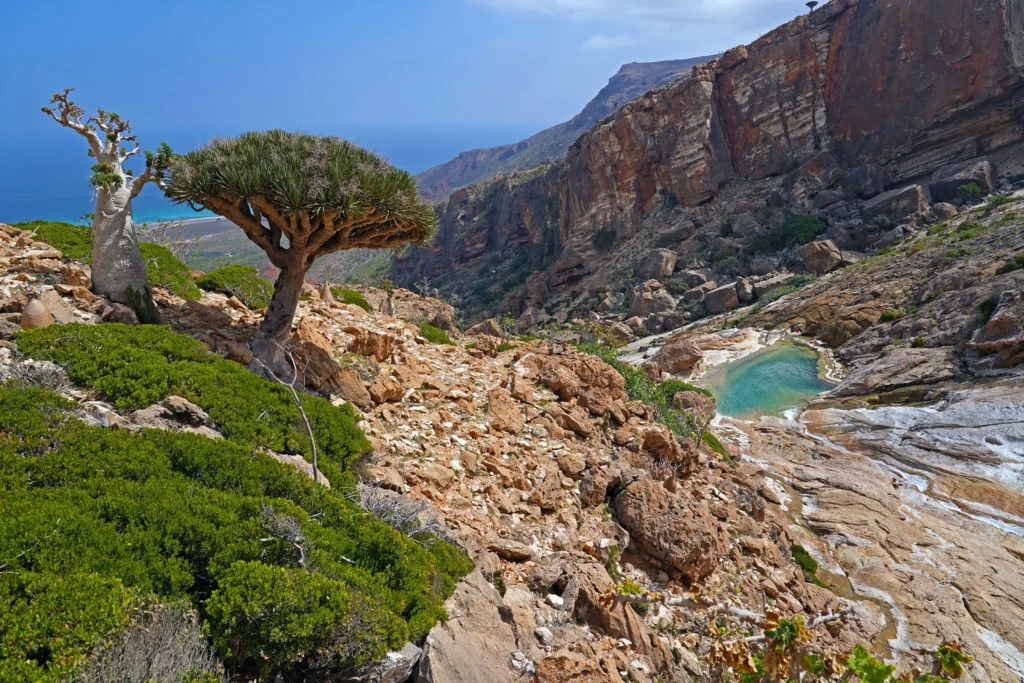
Socotra Island, located in the Arabian Sea, is one of the world’s most isolated islands. The island’s unique biodiversity, including its distinctive Dragon’s Blood Tree, has earned it the title of one of the most remote places on Earth.
Socotra’s isolation from the African continent and its distinct ecosystem make it a scientific treasure for researchers. Despite its beauty, it remains isolated due to its difficult terrain and lack of infrastructure.
9. Wadi Rum (Jordan Desert Valley)
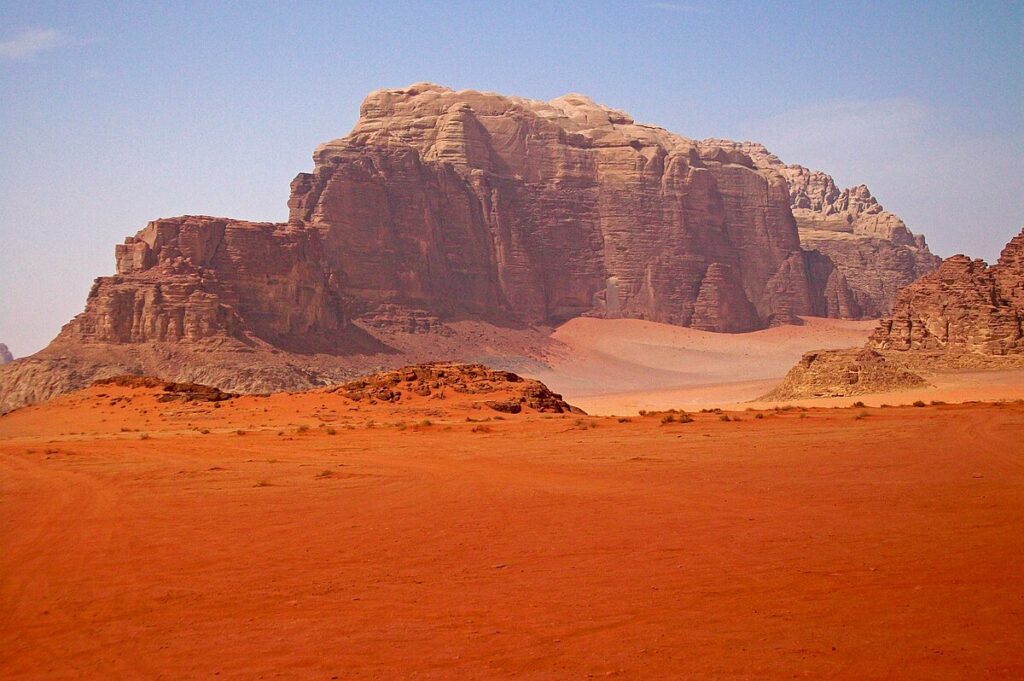
Wadi Rum is a desert valley in southern Jordan known for its rugged beauty, vast dunes, and sandstone mountains. While it is somewhat accessible for tourists, it remains largely remote due to its harsh environment and the limited presence of human civilization.
This desert landscape is not only a remote place but also a popular destination for adventure tourists who seek to experience its wild, untouched terrain.
10. Patagonia (Southern Chile & Argentina)
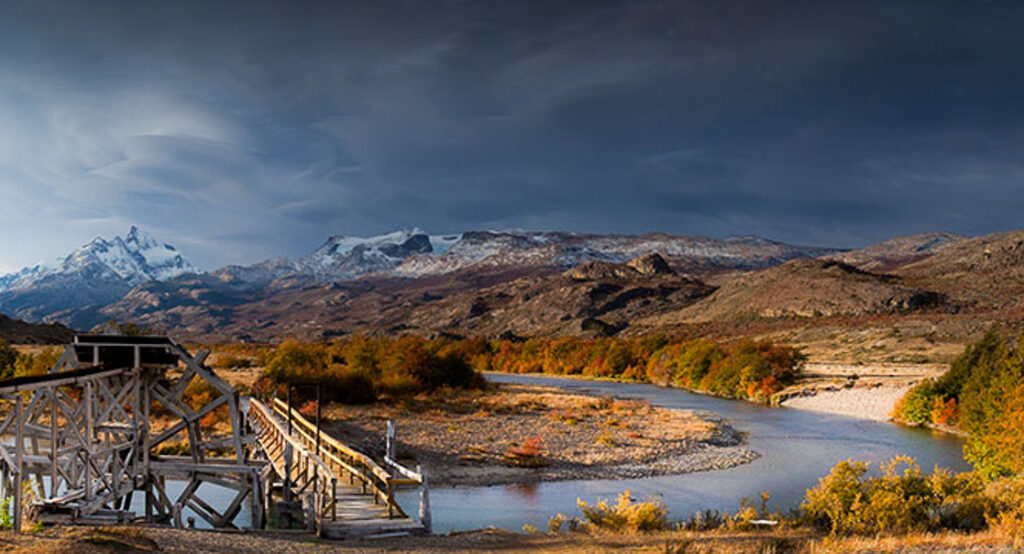
Patagonia, which stretches across southern Chile and Argentina, is a vast wilderness of glaciers, mountains, and open plains. Though parts of the region are accessible by road, much of Patagonia remains remote, with its sparse population and wild landscapes.
Patagonia is a remote area where nature dominates, and human presence is limited to small towns and research stations. Its isolation gives it a sense of untouched wilderness, making it a prime destination for adventure seekers.
Why Exploring Remote Places Is Fascinating
The most remote places on Earth have a certain magnetic pull for explorers, scientists, and travelers alike. For some, it’s the sheer challenge of reaching these places; for others, it’s the allure of experiencing places that remain untouched by modern civilization.
These remote places offer more than just an escape from the everyday; they provide an opportunity to reconnect with nature, discover unique ecosystems, and witness the beauty of undisturbed landscapes.
The Impact of Remote Living on Health and Well-being
Living in remote areas comes with its challenges. The isolation, the harsh environments, and the scarcity of resources can take a toll on both physical and mental health. For those who choose to live in these places, resilience and self-sufficiency become key.
The Future of Remote Places on Earth
As our world changes, many of the most remote places on Earth face new threats. Climate change is affecting these areas, from rising sea levels to changing ecosystems. Additionally, there’s a growing interest in sustainable tourism and research in these places, which can help preserve their unique environments while still allowing us to learn from them.
Conclusion
From icy polar regions to scorching deserts and hidden islands, the most remote places on Earth are both intriguing and challenging. These places represent the raw, unspoiled beauty of our planet, offering rare glimpses into ecosystems and cultures that have remained largely untouched by modern civilization.
Whether for adventure, scientific research, or simply the quest for peace and solitude, these remote areas continue to capture the imagination of those who seek to explore the furthest corners of the Earth.
FAQs
What is considered the most remote place on Earth?
The most remote place on Earth is often considered to be Point Nemo, located in the middle of the Pacific Ocean, as it’s farthest from any land.
How do people live in such remote areas?
People living in remote areas rely on self-sufficiency, adapting to the harsh conditions by growing their own food and using limited resources.
Are remote places on Earth accessible to tourists?
Some remote places can be visited with careful planning, while others, like North Sentinel Island, are off-limits to tourists for safety and cultural reasons.
What role do remote places play in scientific research?
Remote places are invaluable for studying ecosystems, climate change, and biodiversity. They offer unique insights into natural processes unaffected by human activity.
How can we preserve the ecosystems in remote places?
Sustainable travel, research, and conservation efforts are essential in preserving these ecosystems. By limiting human impact and respecting local environments, we can help protect these wild regions for future generations.