

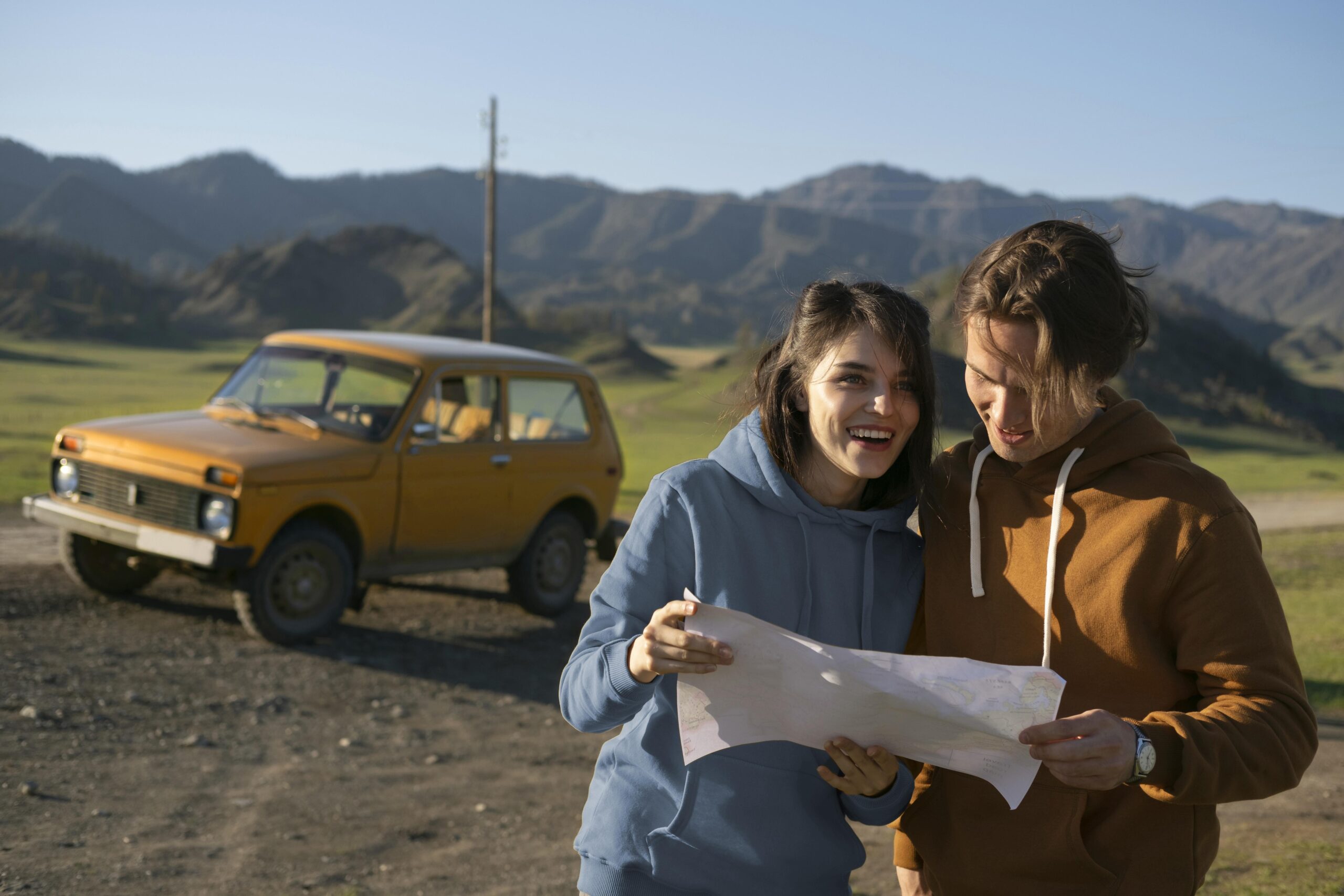
Let’s be honest — Yellowstone Park isn’t a “quick weekend getaway.” It’s a full-on experience. And if you don’t approach your road trip planning strategically, you could spend more time stuck in traffic than watching geysers erupt.
So how do you do it right?
Let’s dig in.
Why a Road Trip Is the Best Way to Visit Yellowstone Park
Flexibility and Freedom
Flying limits you. A road trip opens possibilities.
When you visit Yellowstone National Park by car, you’re in control. Want to stop for a mountain overlook? Do it. Spot wildlife on the roadside? Pull over safely and take it in.
That freedom is what makes road trip planning worth the effort.
Scenic Drives Worth the Miles
The journey to Yellowstone Park is half the magic. You’ll pass rolling plains, snow-capped peaks, and endless skies. Sometimes the best memories happen before you even enter the park gates.
Quick Facts About Yellowstone Park
Where It’s Located
Yellowstone Park spans Wyoming, Montana, and Idaho — though most of it sits in Wyoming.
It’s massive. Over 2.2 million acres is massive.
Why It’s So Famous
It was the world’s first national park. And it’s home to more geysers than anywhere else on Earth.
Iconic spots like Old Faithful and Grand Prismatic Spring draw millions of visitors every year.
And once you see them in person? You’ll understand why.
Best Time to Visit Yellowstone Park
If you’re serious about road trip planning, timing matters.
Summer (June–August)
Pros:
- All roads open
- Full services available
Cons:
- Crowds
- Higher prices
Spring & Fall
Fewer people. More wildlife activity. Cooler temps.
If you want balance, September might be your sweet spot.
Winter
Snow transforms Yellowstone Park into a frozen wonderland. Access is limited, but snowcoach tours are unforgettable.
Step-by-Step Road Trip Planning Guide
Let’s get practical.
1. Set Your Budget
Factor in:
- Gas
- Lodging
- Park entrance fees
- Food
- Emergency funds
Yellowstone is huge. You’ll drive more than expected.
2. Choose Your Starting Point
Popular gateways:
- Denver
- Salt Lake City
- Bozeman
Each offers scenic approaches and good airport access if needed.
3. Map Out Scenic Stops
Road trip planning isn’t just about the destination. Look for:
- State parks
- Small-town diners
- Scenic overlooks
Make the journey count.
Must-See Attractions in Yellowstone Park
You could spend weeks here. But these are non-negotiable:
Old Faithful
Predictable. Powerful. Mesmerizing.
Watching steam explode into the sky feels primal — like Earth reminding you who’s boss.
Grand Prismatic Spring
It looks photoshopped. It’s not.
Heat-loving bacteria cause the vibrant rainbow colours. Nature’s science experiment is on full display.
Lamar Valley
Often called America’s Serengeti, Lamar Valley is prime wildlife territory.
Bring binoculars.
Yellowstone Lake
Yellowstone Lake offers peaceful views and perfect picnic spots.
Where to Stay During Your Yellowstone Road Trip
Lodges Inside the Park
Staying inside Yellowstone Park reduces driving time but requires early reservations — sometimes months ahead.
Camping Options
Camping is immersive. Just prepare for cold nights — even in summer.
Gateway Town Hotels
West Yellowstone and Gardiner offer convenience and dining options.
What to Pack for a Yellowstone Road Trip
Smart road trip planning includes packing like a pro.
Clothing Essentials
- Layers (mornings are cold)
- Waterproof jacket
- Hiking shoes
Road Trip Must-Haves
- Offline maps
- Snacks
- Portable charger
Safety Gear
- Bear spray
- First-aid kit
- Extra water
Wildlife Watching & Safety Tips
Wildlife is thrilling. But remember — this isn’t a zoo.
Stay:
- 100 yards from bears and wolves
- 25 yards from bison and elk
Early mornings and evenings are prime wildlife hours.
Sample 3-Day Yellowstone Itinerary
Day 1
- Old Faithful
- Upper Geyser Basin
- Grand Prismatic Spring
Day 2
- Grand Canyon of Yellowstone
- Hayden Valley
Day 3
- Lamar Valley wildlife viewing
- Yellowstone Lake
Short, sweet, efficient.
Eco-Friendly Travel in Yellowstone Park
Yellowstone Park is delicate.
Stay on boardwalks.
Pack out trash.
Respect wildlife space.
Think of it like visiting someone’s home — because it is.
Common Road Trip Planning Mistakes
- Underestimating distances
- Not booking lodging early
- Ignoring weather changes
- Running low on gas
Preparation prevents stress.
Conclusion
Planning a road trip to Yellowstone Park doesn’t have to feel overwhelming. With thoughtful road trip planning, smart timing, and a flexible mindset, your journey becomes more than a vacation — it becomes a story you’ll tell for years.
Yellowstone Park isn’t just a place on a map. It’s steam rising at sunrise. Its hooves echo across valleys. It’s so deep you can hear your own breath.
And the best part?
You drove there yourself.
FAQs About Yellowstone Road Trips
1. How many days do you need in Yellowstone Park?
Ideally, 3–5 days to explore major highlights without rushing.
2. Is Yellowstone Park good for a family road trip?
Yes. It’s educational, adventurous, and unforgettable for kids and adults alike.
3. When should I start road trip planning for Yellowstone?
At least 3–6 months in advance, especially for summer travel.
4. Can you drive your own car inside Yellowstone Park?
Yes. Most visitors explore entirely by personal vehicle.
5. Is Yellowstone Park safe for solo travellers?
Absolutely — if you follow wildlife and park safety guidelines.