

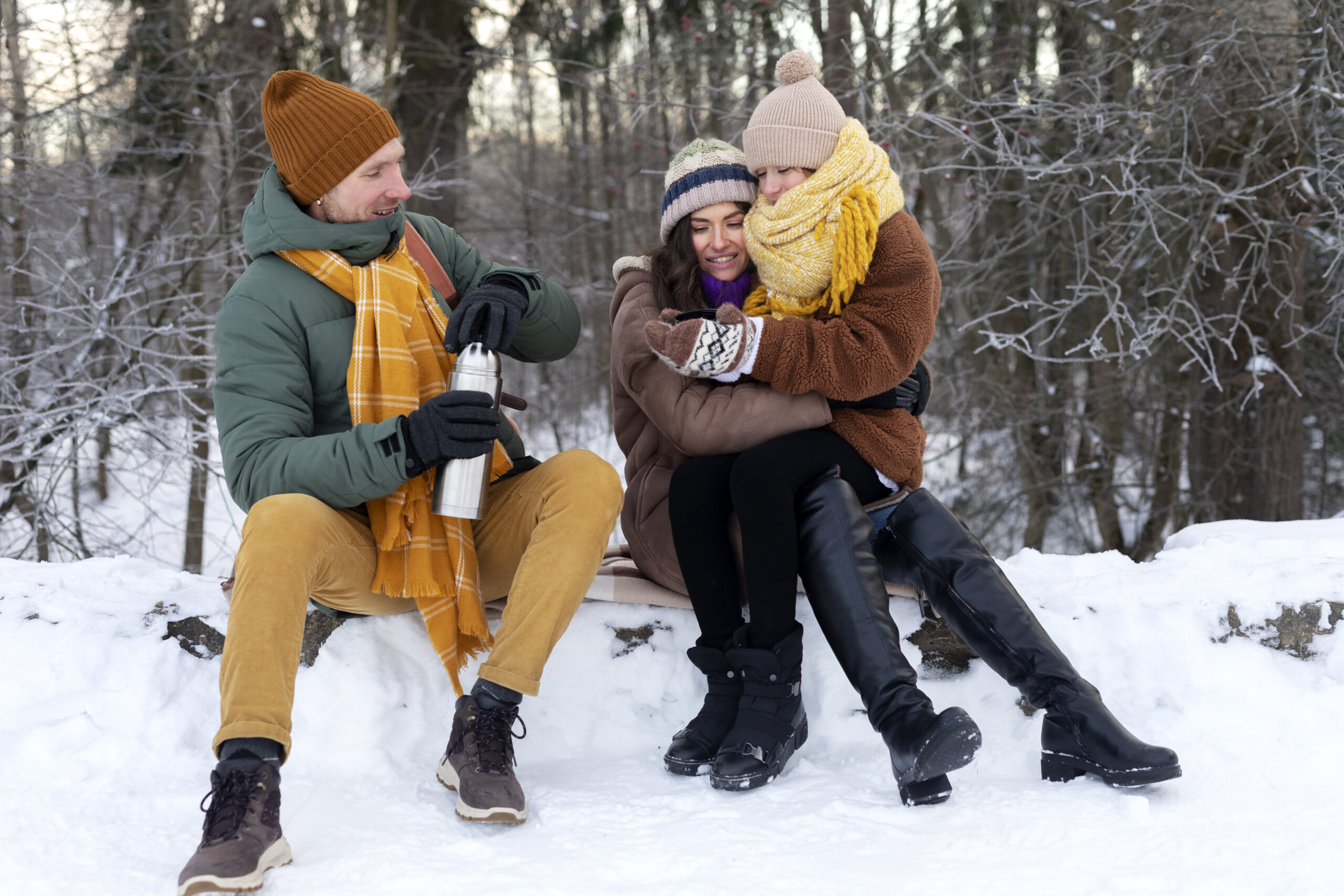
Snow trips sound magical—until cold toes, soaked socks, and freezing wind ruin the vibe. Whether you’re walking through a snowy town, heading to the mountains, strapping into a snowboard, or just enjoying winter scenery, what you wear matters more than you think.
The secret? Stop thinking in outfits and start thinking in systems. The proper boots and layers work together to keep you warm, dry, and comfortable—without overheating or feeling bulky.
Let’s make snow trips simple, practical, and actually enjoyable.
Why Snow Trips Demand the Right Clothing
Snow Is Fun—Until You’re Cold
Cold sneaks up on you. Wet feet, sweaty layers, or poor boots can turn a fun day into a miserable one in a flash. Once you’re cold, it’s hard to warm back up.
Comfort, Safety, and Enjoyment
Good winter gear isn’t about style alone—it’s about staying mobile, alert, and comfortable so you can enjoy skiing, walking, or just hanging out in the snow.
The Smart Layering System for Winter Travel
Why Layering Beats Heavy Clothing
Layering lets you adjust to changing conditions. Walking uphill? Remove a layer. Standing still? Add one. Simple.
Base Layer (Thermal Underwear)
This is your first and most important layer.
Mid Layer (Insulation)
Traps body heat and keeps you warm.
Outer Layer (Weather Protection)
Blocks wind, snow, and moisture.
Thermal Underwear: Your Warmth Foundation
Why Thermal Underwear Matters
Good thermal underwear keeps sweat off your skin. That alone can be the difference between feeling cozy and freezing.
Best Fabrics for Cold Weather
Merino wool is warm, breathable, and odor-resistant. Synthetic thermals dry faster and are great for active days like skiing or snowshoeing.
Mid Layers That Actually Keep You Warm
Fleece, Down, and Synthetic Options
Fleece works well for active movement. Down is super warm for cold, dry conditions. Synthetic insulation handles moisture better.
Layering for Movement and Breathability
Your mid-layer should insulate without restricting movement. If you feel stiff, it’s too bulky.
Outer Layers That Block Snow and Wind
Jackets Built for Snow Conditions
Look for waterproof, windproof jackets with breathable membranes. Snow trips are no place for casual coats.
Snow Pants, Bibs, and Joggers
Snow pants or bibs are ideal for deep snow. In lighter conditions, insulated winter joggers can work surprisingly well.
Waterproofing and Breathability
Sealed seams and ventilation zips are lifesavers when conditions change.
Choosing the Right Winter Boots
Women’s Winter Boots vs Women’s Snow Boots
Women’s winter boots are often stylish and warm for city use. Women’s snow boots focus more on waterproofing, traction, and insulation for deep snow.
Men’s Winter Boots Explained
Men’s winter boots usually offer thicker insulation and rugged outsoles, ideal for icy sidewalks or snowy trails.
Waterproofing, Insulation, and Fit
Waterproofing is non-negotiable. Insulation should match activity level, and boots should fit comfortably with thick socks.
Snow Boots vs Ski Boots
When to Wear Ski Boots
Ski boots are designed only for skiing. They’re stiff, warm, and lock into bindings—but terrible for walking.
When Snow Boots Make More Sense
For everything else—walking, sightseeing, snow play—snow boots are far more comfortable and practical.
Boots for Snowboarding and Winter Sports
Snowboard Boots vs Regular Winter Boots
Snowboard boots are flexible, insulated, and designed for control on a snowboard. Regular winter boots won’t provide enough support.
Traction and Ankle Support
Good winter boots should grip icy surfaces and support ankles on uneven snow.
Socks, Insoles, and Foot Warmth
Wool Socks for Cold Conditions
Wool socks regulate temperature better than cotton and stay warm even when damp.
Avoiding Cold Toes
Too-tight boots restrict circulation. Warmth comes from blood flow, not just insulation.
Snow Shoes and Traction Accessories
When You Need Snow Shoes
Snowshoes are perfect for deep, powdery snow where boots alone sink too much.
Microspikes and Icy Terrain
On icy paths, traction devices can prevent slips and injuries.
Dressing for Different Snow Activities
Casual Snow Trips
Light insulation, waterproof boots, and simple layering work great here.
Skiing and Snowboarding
Prioritize moisture control, mobility, and warmth. Ski jackets, ski pants, and proper boots are key.
Winter Hiking and Walking
Breathability matters most. You’ll generate heat quickly while moving.
Common Winter Clothing Mistakes
Overdressing and Sweating
Sweat leads to cold. Dress slightly cool when starting—you’ll warm up fast.
Choosing Fashion Over Function
Stylish boots without traction or waterproofing won’t cut it in real snow.
Packing Smart for Snow Trips
Layer Organization Tips
Pack layers by function, not outfits. This makes adjusting easy.
Keeping Gear Dry
Dry bags protect spare socks, thermals, and gloves.
Caring for Your Winter Boots and Layers
Drying and Storage
Always dry boots entirely after use. Damp boots lose insulation fast.
Long-Term Maintenance
Clean outerwear to maintain waterproof coatings and store gear loosely.
Final Thoughts on Snow Travel Gear
Build a Winter System That Works
Snow trips are way more fun when you’re warm, dry, and comfortable. With the proper boots—whether women’s snow boots, men’s winter boots, or sport-specific gear—and an intelligent layering system built around thermal underwear, you’ll be ready for anything winter throws your way.
FAQs
1. Are women’s snow boots different from winter boots?
Yes. Snow boots focus more on waterproofing, traction, and insulation for deep snow.
2. Can I wear joggers in the snow?
Insulated, water-resistant joggers work in light snow but not deep or wet conditions.
3. Do I need ski boots if I’m not skiing?
No. Ski boots are only for skiing and are uncomfortable for walking.
4. What’s better for deep snow: boots or snow shoes?
Snowshoes are better for deep, soft snow where boots sink.
5. Why is thermal underwear so important?
It keeps sweat off your skin, helping you stay warm and dry all day.