

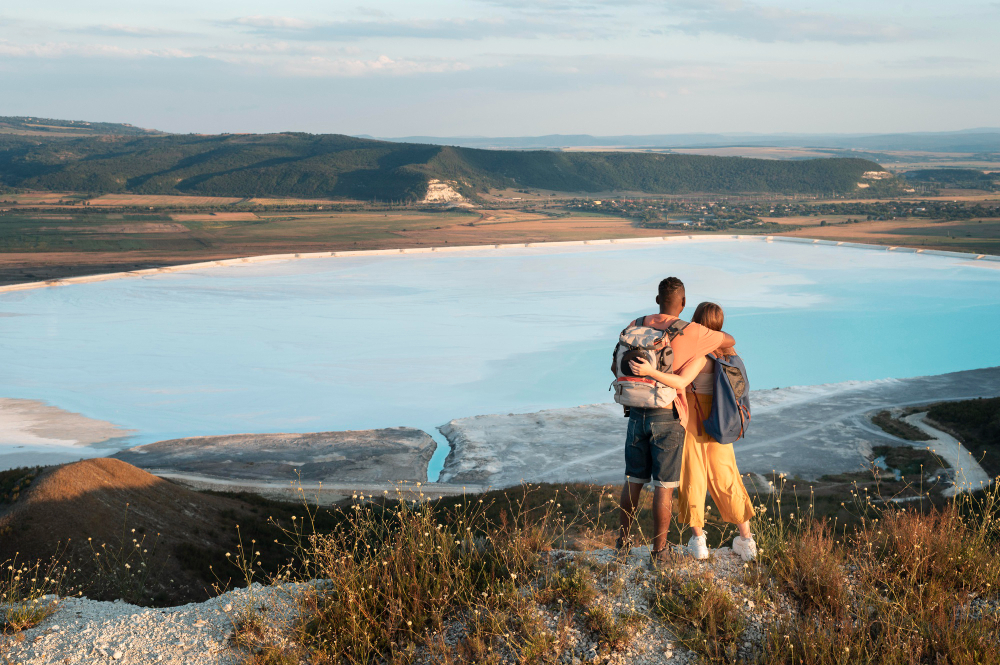
Understanding the Deep Allure of Exotic Travel
Exotic travel isn’t just about distance, it’s about difference. When people dream of exotic places to travel, they imagine environments that feel untouched by routine life. These are destinations where nature is still in charge, where landscapes dictate the rhythm of the day, and where silence can be louder than sound. For nature lovers, exotic travel offers something rare: the chance to slow down and truly observe the world.
Modern life is fast, digital, and crowded. Exotic travel destinations act as a counterbalance. They offer isolation without loneliness and adventure without chaos. Whether it’s a rainforest alive with sound or a frozen desert wrapped in silence, these places invite travelers to experience nature on its own terms.
What Truly Defines Exotic Places to Travel
Exotic places are defined by rarity and authenticity. They may be geographically remote, biologically unique, or culturally distinct. Often, they exist in exotic countries where traditional ways of life remain closely connected to the land. These destinations feel different because they haven’t been overly polished for mass tourism.
An exotic place could be an island accessible only by boat, a mountain range requiring days of trekking, or a desert where the horizon stretches endlessly. What matters most is that sense of unfamiliarity, the feeling that you’ve stepped outside the predictable.
How Exotic Locations Trigger a Sense of Wonder
Exotic locations awaken curiosity in a way that familiar places cannot. When you walk through a jungle where plants tower overhead or stand beside a glacier older than civilization, your sense of scale shifts. These environments remind us that nature operates on timelines far beyond human schedules.
This sense of wonder is deeply emotional. It humbles, excites, and inspires all at once. Many travelers describe returning from exotic travel destinations with a renewed appreciation for life and a stronger connection to the planet.
Why Modern Travelers Are Drawn to Exotic Countries
Today’s travelers crave meaning. Instead of ticking off landmarks, they want immersive experiences. Exotic countries provide that depth, offering cultural richness alongside natural beauty. Whether it’s learning from indigenous communities or witnessing wildlife in its natural habitat, these journeys feel purposeful.
For nature lovers, exotic countries offer a sense of authenticity. The landscapes aren’t staged, and the experiences aren’t rushed. Everything unfolds naturally, just as it has for centuries.
Exotic Travel as an Escape from Over-Tourism
Crowded destinations can dilute the magic of travel. Long queues, noise, and overdevelopment often disconnect visitors from the very beauty they came to see. Many exotic vacation spots, however, remain protected by geography or conservation laws.
These places allow travelers to explore slowly and respectfully. Instead of competing for photos, visitors absorb the environment. That sense of space and solitude is a major reason exotic travel continues to rise in popularity.
Tropical Exotic Vacation Spots That Feel Unreal
Bora Bora, French Polynesia
Bora Bora is often described as paradise, but that word barely captures its essence. It feels almost unreal, like a painting brought to life.
Lagoons, Coral Reefs, and Volcanic Landscapes
A lagoon encircles the island so clear it reflects the sky like glass. Coral reefs thrive beneath the surface, sheltering vibrant marine life. Inland, jagged volcanic peaks rise sharply, cloaked in lush greenery. This dramatic contrast between land and sea is what makes Bora Bora one of the most exotic places in the world.
Why Bora Bora Is One of the Most Exotic Places in the World
Its isolation, biodiversity, and natural harmony make it exceptional. Bora Bora isn’t just a destination; it’s an ecosystem where everything feels perfectly balanced.
Palawan, Philippines
Palawan feels like nature’s secret sanctuary.
Secret Lagoons, Cliffs, and Marine Biodiversity
Limestone cliffs guard hidden lagoons, and underground rivers carve paths through mountains. The waters are rich with coral and marine species, making Palawan one of Asia’s most breathtaking exotic travel destinations. Every journey here feels like an exploration.
Seychelles
Seychelles represents tropical elegance shaped entirely by nature.
Island-Hopping in One of the World’s Most Exotic Locations
Each island tells a different story, some rugged and wild, others soft and serene. Rare birds, ancient tortoises, and pristine reefs thrive due to strict conservation, making Seychelles a model for sustainable exotic vacation spots.
Maldives (Beyond Luxury Resorts)
The Maldives offers more than postcard luxury.
Coral Atolls, Marine Conservation, and Island Life
Beyond resorts lie fishing villages and coral restoration projects. Life here revolves around the ocean, highlighting how fragile and precious these exotic locations truly are.
Rainforests and Jungles in Exotic Countries
Amazon Rainforest, South America
The Amazon is the most powerful example of living nature on Earth.
Why the Amazon Is the Ultimate Exotic Travel Destination
Spanning multiple exotic countries, the Amazon influences global climate and supports countless species. It’s not just a forest, it’s a life-support system for the planet.
Wildlife Encounters and River Expeditions
Travel here means slow movement along winding rivers, listening to the forest breathe. Encounters with wildlife feel intimate and humbling.
Borneo, Malaysia
Borneo’s rainforests feel untouched by time.
Orangutans, Canopies, and Pristine Ecosystems
These forests shelter endangered species and ancient plant life. Walking beneath the canopy feels like stepping into prehistory, making Borneo one of the most valuable exotic travel destinations in Asia.
Costa Rica
Costa Rica shows how nature and tourism can coexist.
Rainforests, Volcanoes, and Sustainable Tourism
Cloud forests, beaches, and volcanoes exist side by side. Conservation is woven into daily life, proving that exotic places to travel can also be responsible.
Congo Basin, Africa
The Congo Basin remains largely untouched.
One of the Least Explored Exotic Locations on Earth
Dense forests and rare wildlife dominate this region. Limited access has preserved its raw beauty, making it a true frontier for adventurous travelers.
Mountain Escapes in the Most Exotic Places in the World
Patagonia, Argentina & Chile
Patagonia feels endless and untamed.
A Land of Extremes and Silence
Glaciers crack, winds howl, and vast landscapes stretch in every direction. It’s nature in its purest form.
The Himalayas, Nepal
The Himalayas reshape perspective.
Nature, Culture, and High-Altitude Wilderness
Every step is a lesson in endurance and humility. The mountains command respect and reward patience.
Atlas Mountains, Morocco
A hidden alpine world in North Africa.
Where Desert Meets Alpine Landscapes
Snowy peaks rise above arid plains, creating dramatic contrasts rarely seen elsewhere.
Karakoram Range, Pakistan
One of the wildest mountain regions on Earth.
Raw Beauty and Untouched Peaks
These towering giants remain less explored, offering solitude and awe unmatched by more commercial ranges.
Remote Islands and Coastal Exotic Locations
Faroe Islands, Denmark
Nature dictates life here.
Dramatic Weather and Wild Coastlines
Storms, cliffs, and shifting light create ever-changing scenery that feels alive.
Galápagos Islands, Ecuador
Nature’s living laboratory.
Living Proof of Evolution
Wildlife thrives under strict protection, offering rare insight into natural balance.
Socotra Island, Yemen
A world apart.
Earth’s Most Alien Landscape
Strange trees and endemic species make Socotra feel like another planet.
Raja Ampat, Indonesia
The ocean’s richest ecosystem.
The Heart of Marine Biodiversity
Its reefs support more life than anywhere else on Earth, making it one of the top exotic travel destinations for divers.
Desert, Arctic, and Extreme Exotic Travel Destinations
Namib Desert, Namibia
Ancient and mesmerizing.
Sculpted by Time and Wind
Dunes shift endlessly, creating surreal beauty.
Atacama Desert, Chile
Extreme simplicity.
The Driest Non-Polar Desert on Earth
Its silence and skies offer profound stillness.
Antarctica
The ultimate wilderness.
The Final Exotic Frontier
Ice dominates everything, reminding visitors of nature’s power.
Svalbard, Norway
Life at the edge of the world.
Polar Bears, Glaciers, and Midnight Sun
An Arctic experience unlike any other.
Conclusion: Exotic Travel as a Life-Changing Experience
Exotic travel destinations offer more than scenery; they offer perspective. From jungles to ice fields, these exotic places reconnect us with nature’s rhythm. For nature lovers, such journeys don’t just change where you’ve been, they change how you see the world.
FAQs
What makes a destination truly exotic?
A destination is considered truly exotic when it offers experiences that feel rare, unfamiliar, and deeply connected to nature. This usually includes a combination of geographical isolation, unique ecosystems, rich biodiversity, and limited human impact. Exotic places often exist in difficult-to-access environments, such as remote islands, dense rainforests, high mountain ranges, or polar regions. What truly sets exotic locations apart is authenticity. These places haven’t been overly commercialized and still operate on nature’s terms rather than tourism schedules. When travelers feel like they are stepping into a completely different world, that’s when a destination earns the label “exotic.”
Are exotic countries safe to visit?
Many exotic countries are safe to visit, provided travelers plan carefully and respect local customs and regulations. Safety often depends on preparation rather than the destination itself. Researching travel advisories, choosing reputable tour operators, staying informed about local conditions, and following environmental guidelines all play a key role. In fact, many exotic travel destinations rely heavily on tourism and take visitor safety seriously. While infrastructure may be limited in remote areas, guided experiences and community-based tourism often provide both protection and cultural insight.
Can exotic vacation spots be eco-friendly?
Yes, many exotic vacation spots are at the forefront of eco-friendly and sustainable travel. Because these locations often contain fragile ecosystems, conservation is essential to their survival. Eco-lodges, wildlife protection programs, marine reserves, and low-impact tourism practices are increasingly common in exotic destinations. Countries like Costa Rica, Ecuador, and Namibia have built strong reputations for balancing tourism with environmental protection. Responsible travelers also play a role by choosing sustainable accommodations, reducing waste, and respecting wildlife, ensuring that these exotic places remain preserved for future generations.
Which exotic places are best for solitude?
Exotic places that offer true solitude are typically those with extreme environments or limited accessibility. Antarctica is one of the best examples, as it has no permanent population and vast, silent landscapes dominated by ice and ocean. Patagonia offers endless open spaces where travelers can hike for days without encountering another person. Socotra Island is another exceptional choice, with its isolated location and minimal tourism creating a sense of complete detachment from the modern world. These destinations are ideal for travelers seeking reflection, silence, and a deep connection with nature.
Why do nature lovers prefer exotic travel destinations?
Nature lovers are drawn to exotic travel destinations because they provide raw, immersive experiences that cannot be replicated in urban or heavily developed areas. Exotic places allow travelers to witness wildlife in natural habitats, explore untouched landscapes, and experience nature without constant human interference. These destinations offer perspective, reminding visitors of the planet’s scale, power, and beauty. For many nature lovers, exotic travel isn’t about luxury; it’s about peace, discovery, and feeling truly alive in environments where nature still leads the way.